Hi, I’m Salina Mae
I help people reconnect with themselves so they can lead, live, and love with greater presence.
At the heart of my work is a simple belief: when we reconnect with ourselves-with our bodies, our values, our joy, and one another-we don't just become healthier. We become more present for the lives we're here to live.
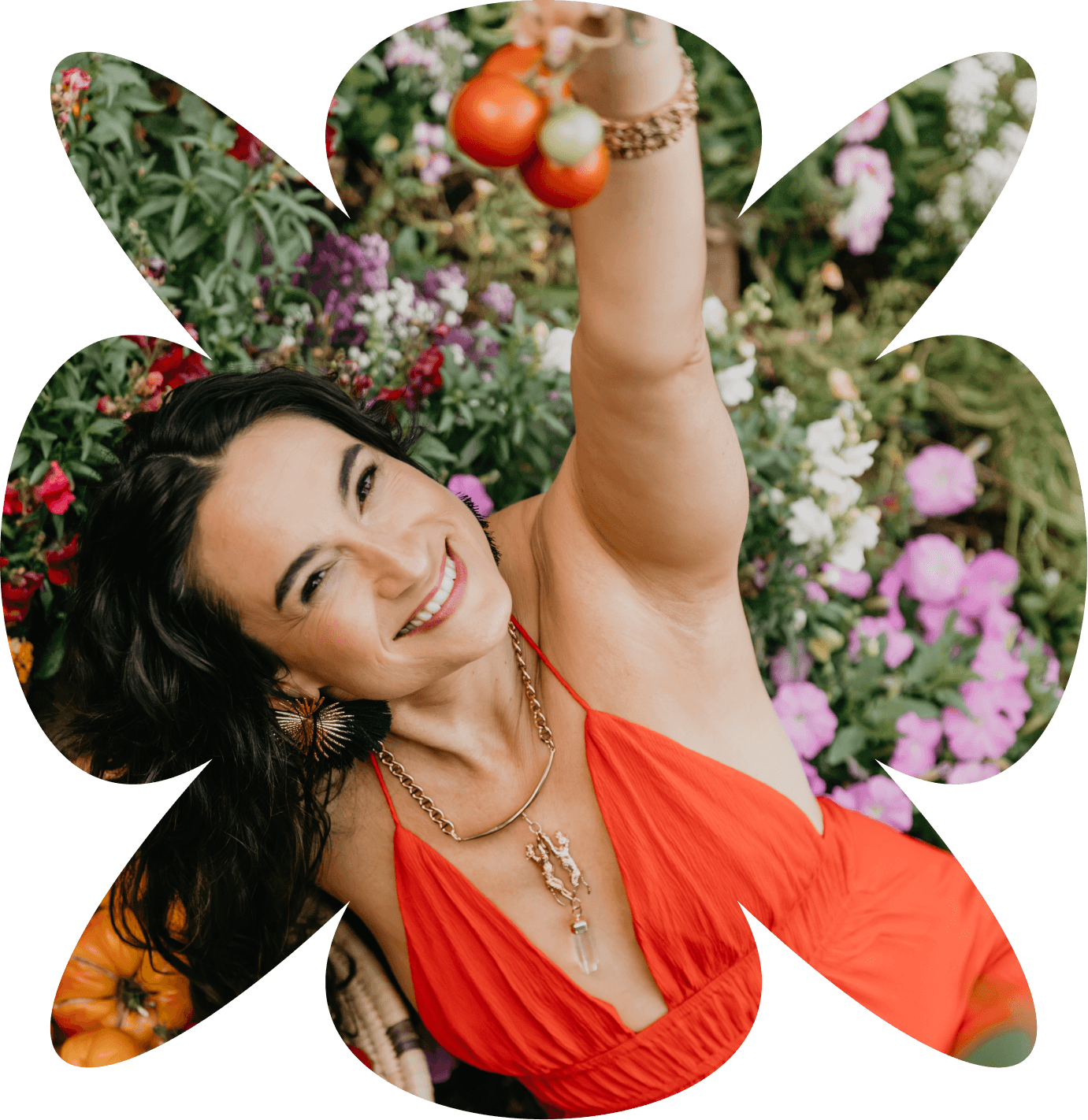
I help people reconnect with themselves so they can lead, live, and love with greater presence.
At the heart of my work is a simple belief: when we reconnect with ourselves- with our bodies, our values, our joy, and one another- we become more present for the lives we're here to live.
I was raised by people who believed in showing up.
My mother was a preschool teacher, my stepfather a middle school principal and basketball coach, and my grandmother a first-grade teacher. My grandparents dedicated themselves to bilingual education and farmworker justice, believing education could be a force for dignity, opportunity, and change.
My father is a contractor who started his own construction company in his early twenties. From him, I learned hard work, perseverance, craftsmanship, and the courage to build something from the ground up.
One side of my family taught me that work can be an act of service. The other taught me that meaningful things are built with vision, grit, and care. I carry those legacies, and my ancestors, with me in this work.
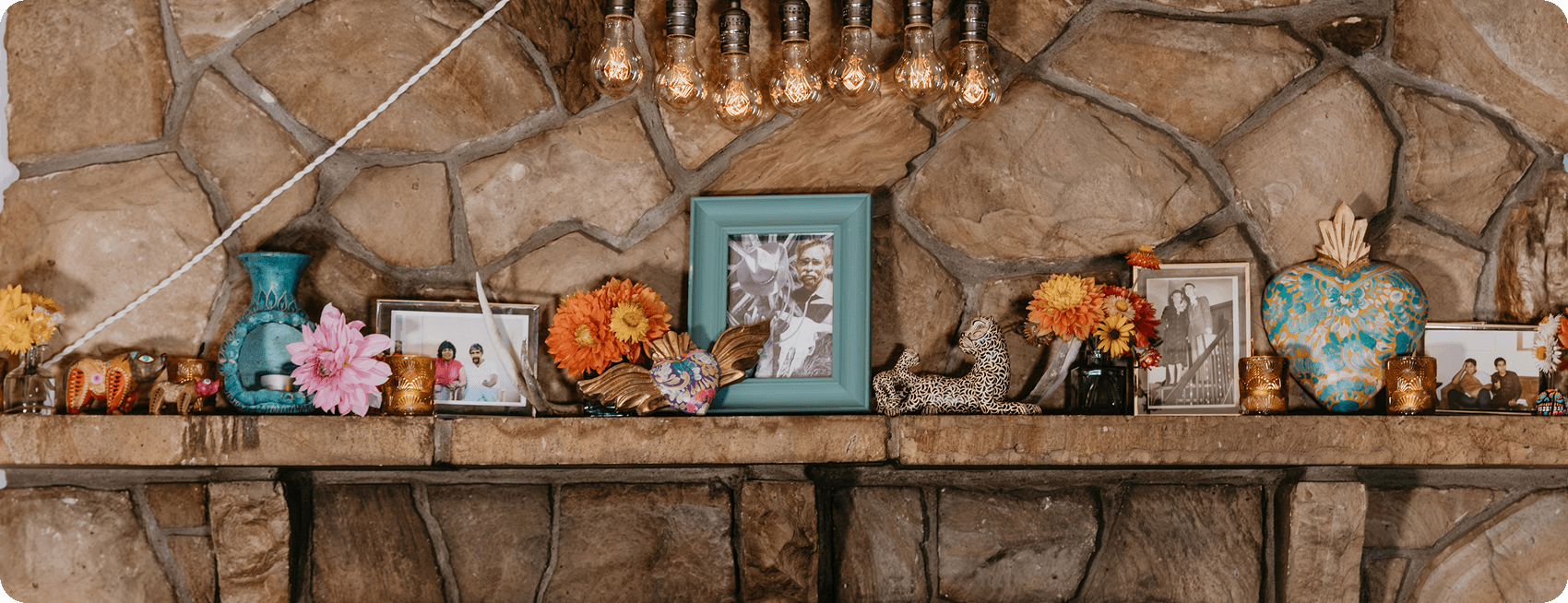
I grew up in the Bay Area in a large, blended, multiracial Chicano family as one of twelve children. As the second oldest, I learned early how to build bridges, care for others, navigate different perspectives, and find joy in the beautiful complexity of community.
Today, as a proud auntie and Tía Salina, I embrace my role as a big sister, mentor, and matriarch in my family with both joy and deep responsibility. Caring for the people I love is part of who I am, and I've come to understand that caring for ourselves is part of that, too. It allows us to show up with greater presence and generosity for the people and communities we love.
From a young age, I knew I wanted to teach. Becoming a classroom teacher felt less like choosing a career and more like answering a calling.
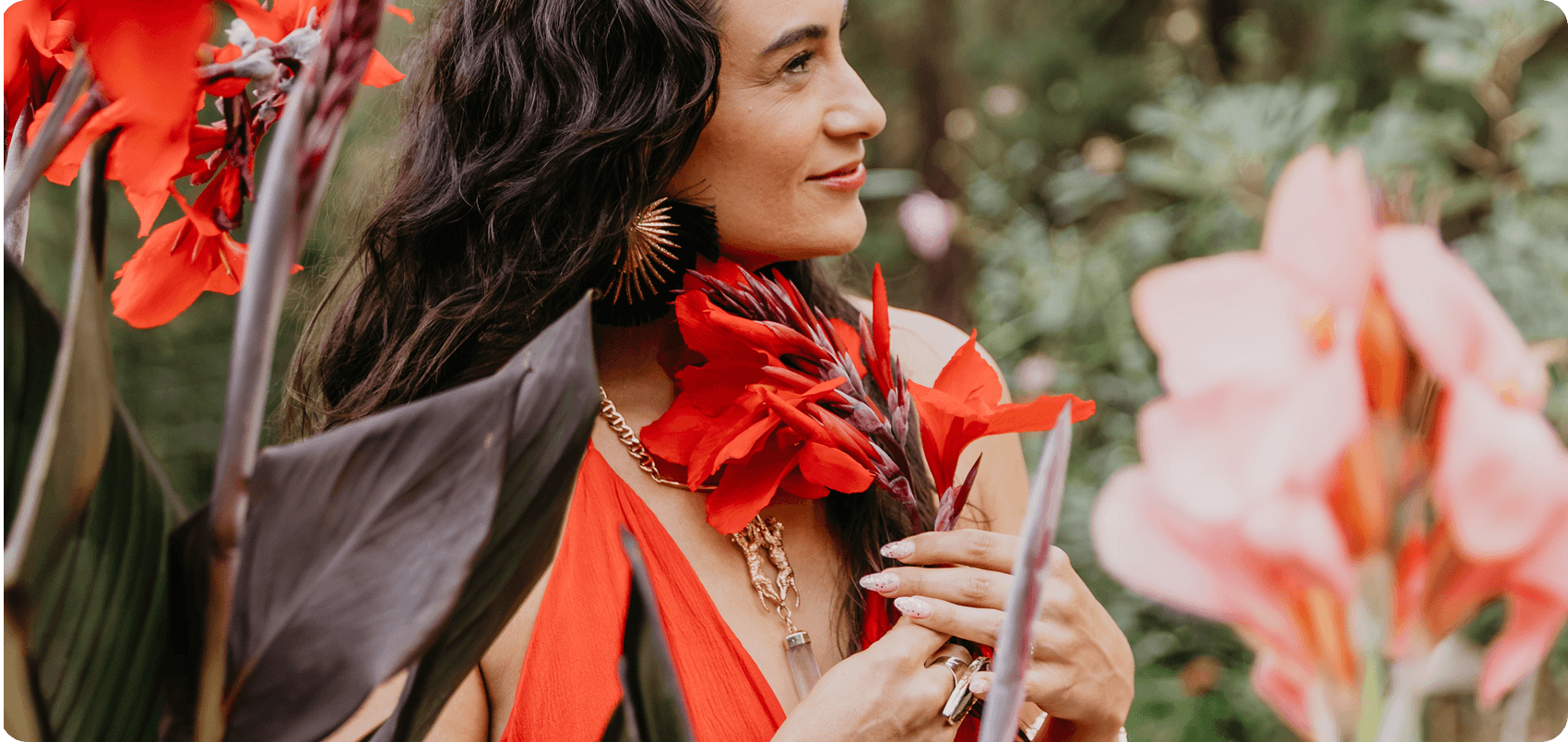
Teaching also taught me something unexpected: how easy it is to lose ourselves inside work we love.
I became incredibly skilled at pushing through. I knew how to persevere, care deeply, and keep going. What I didn't yet know was how to slow down, listen to my body, or trust that rest could be part of a meaningful life.
Everything began to change the day I walked into a yoga class.
For the first time in my life, I felt like I could take a full breath.
On the mat, I learned how to be present with my own heartache instead of trying to outrun it. Over time, those lessons followed me into every part of my life. Through yoga, mindfulness, meditation, and nervous system awareness, I discovered that healing isn't about becoming someone else. It's about learning to come home to yourself with presence, compassion, and care.
For more than twenty years, these practices have shaped the way I live, lead, and teach. As a queer, multiracial Chicana woman, I've also experienced wellness spaces where I didn't always see myself reflected. That experience deepened my commitment to making this work more inclusive, culturally rooted, and accessible.
As a trauma survivor, I understand both the weight of chronic stress and the quiet power of regulation, rest, and collective care. I'm deeply influenced by the teachings of Thích Nhất Hạnh and Tricia Hersey, and one teaching has stayed with me more than almost any other:
No mud, no lotus.
I've come to understand those four words aren't simply about surviving hardship. They're about how we meet it. When we bring mindfulness, compassion, presence, and care to our pain, heartache can become fertile ground for wisdom, courage, compassion, and new ways of living.
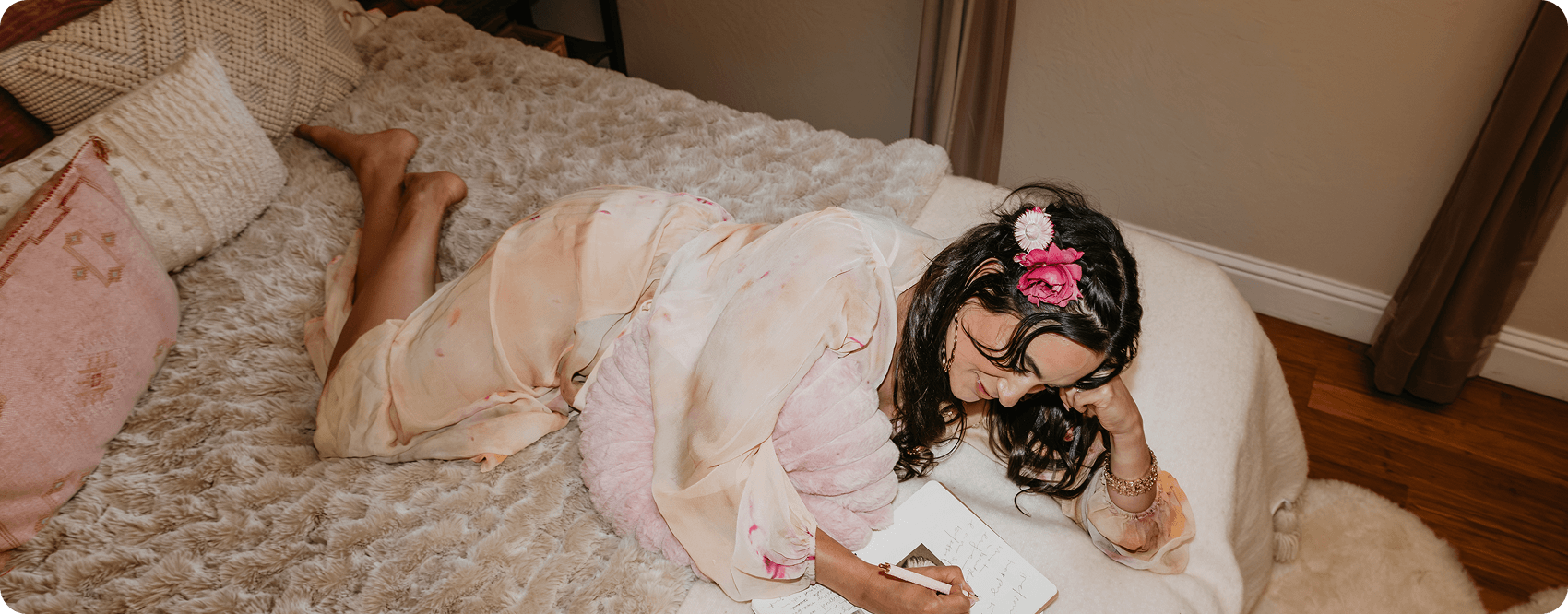
Healing doesn't have to be heavy to be real.
It can be spacious.
It can be beautiful.
It can be connective.
It can even be joyful.
Now, from my home in the Sierra Nevada foothills of Northern California, I have the privilege of gathering people in conference halls, classrooms, retreat centers, and circles. Whether I'm speaking to hundreds or sitting with a small group, my hope is the same: that people leave more connected to themselves, more compassionate toward their own humanity, and more alive to the life they're already living.
Because I believe our power isn't found in constantly doing more.
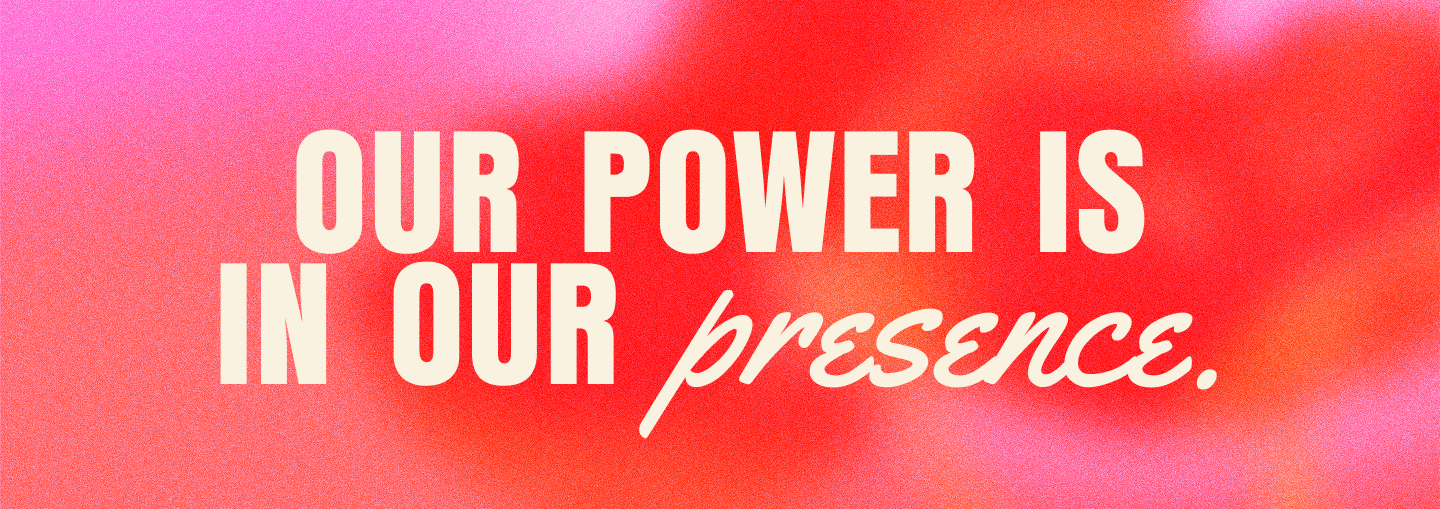
Our power is in our presence.
Salina Mae’s Values
Compassion as Practice
At the heart of Salina Mae’s work is a deep commitment to compassion—for self and for others.
Through her own experiences of burnout, heartbreak, and healing, she has learned that softness is not weakness—it is strength. The way we relate to ourselves shapes how we show up with others, and cultivating kindness inwardly creates the conditions for more connected, human-centered relationships.
Generosity & Collective Care
Salina Mae believes in a culture of generosity in a world that often encourages scarcity.
Her work is grounded in the belief that giving and receiving are both essential parts of a rich, connected life. She invites individuals and communities to move toward more open-hearted ways of relating—where care, support, and shared resources are normalized rather than withheld.
Authentic Expression
& Full Selfhood
Salina Mae is devoted to living—and helping others live—fully expressed.
Her work creates space for truth-telling, individuality, and self-expression in all areas of life, from leadership to relationships. She believes that people thrive when they are able to be their full selves, and that expression is not just personal—it is transformative.
Access, Equity & Belonging
Salina Mae is committed to making healing, mindfulness, and well-being practices more accessible—especially for BIPOC and marginalized communities who have historically been excluded.
She honors both the cultural roots of these practices and the importance of bringing them into spaces where they can be experienced as relevant, inclusive, and empowering.